
Some provide momentary relief but often lead to severe long-term consequences. In this article, we explore how to identify unhealthy coping mechanisms, understand their impact, and replace them with healthier alternatives to enhance mental well-being. The long-term consequences alcohol as a coping mechanism of unhealthy coping mechanisms can be severe and far-reaching. Substance abuse can lead to addiction, health problems, and legal issues. Emotional eating can result in obesity and related health complications.

The Benefits of Outdoor Activities in the Recovery Process
Learning to express your emotions and thoughts effectively can reduce the need for alcohol as a means of escape. Seek therapy or join support groups to improve your communication skills. They’ve likely been through tough times, built the emotional skills to deal with life, and come out stronger. They don’t medicate because they’re strong enough to handle things on their own. Her wine consumption steadily grew from a glass a night to a heavy 7-day-a-week habit.
Depressive Symptoms
But other studies Halfway house show that the only healthy level of alcohol consumption is no alcohol. No matter where you are in your recovery journey, our levels of care are personalized to your unique needs. Drinking alcohol as a coping strategy frequently has adverse effects on relationships. At worst, it might fuel relationship irresponsibility, hostility, and fury. Emotional abuse in romantic relationships can be insidious and deeply harmful.
- For example, in a 2020 UK study, 33 percent of young bereaved adults increased their alcohol use after their loved one’s death.
- You may have heard alcohol referred to as a “social lubricant” or “liquid courage”.
- The current study provides one of the few tests of this pathway from alcohol use to later depression via substance-use coping mechanisms.
Free Healthbeat Signup
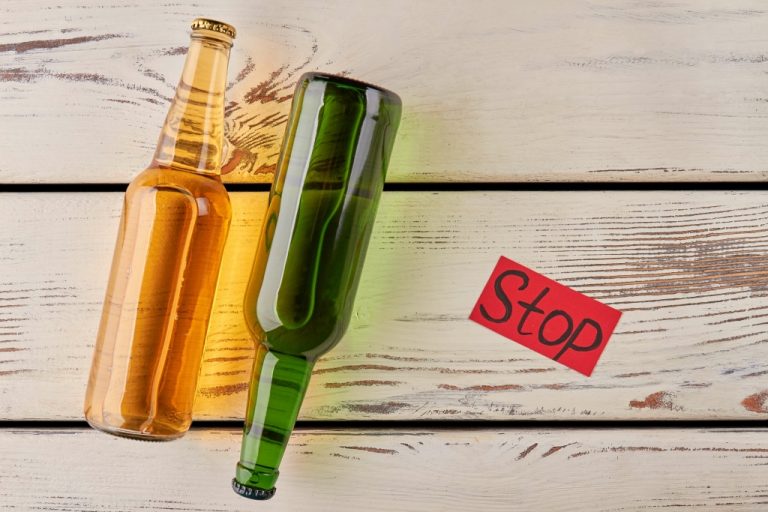
It’s like using a powerful painkiller on an open wound – you won’t feel any pain, but the wound will keep bleeding. Gillian Tietz is the host of the Sober Powered podcast and recently left her career as a biochemist to create Sober Powered Media, LLC. When she quit drinking in 2019, she dedicated herself to learning about alcohol’s influence on the brain and how it can cause addiction.

If you’re looking for a skilled therapist or psychologist who will not only understand your plight but also offer you the resources you need to begin healing, then look no further. As stated above, it is necessary to observe and recognize anything that triggers you to turn to the bottle. Recognizing triggers that lead to consumption as a coping mechanism is an important step in breaking the cycle of dependence. To know more about the patterns of healthy and unhealthy drinking and the alternate ways to cope, continue reading. Questions are based on the diagnostic criteria for alcohol use disorder as outlined in DSM-5-TR (Diagnostic and Statistical http://shop.signaturesol.com/income-statement-accounts-list-a-complete-guide/ Manual of Mental Disorders). Responding positively to several of the questions suggests the presence of alcohol use disorder.